E8 garden maintenance experts near Hackney Central station: a practical guide for busy homes, rentals, and small businesses
If your garden in E8 has started to feel like one more thing on an already full London to-do list, you are not alone. Between work, family, weather, and the usual Hackney stop-start pace, even a tidy outdoor space can slip quickly. That is where E8 garden maintenance experts near Hackney Central station come in: not just to mow a lawn or trim a hedge, but to keep a garden healthy, safe, and genuinely usable throughout the year.
This guide breaks down what regular garden maintenance actually involves, how a local service tends to work, what to look for before booking, and how to avoid the usual headaches. If you are comparing options, or you simply want your front garden, back courtyard, or rental yard back under control, you will find a grounded, local answer here. No fluff. Just the useful bit.
Why E8 garden maintenance experts near Hackney Central station Matters
Gardens in E8 rarely have the luxury of being left alone. Many are compact, overlooked by neighbouring buildings, or shaped by awkward access and narrow side returns. Some are small enough to see every weed from the kitchen window. Others are larger but simply hard to keep on top of without regular, skilled attention. Either way, the difference between a garden that feels calm and one that feels chaotic is often maintenance, not a big redesign.
That matters for a few reasons. First, ongoing care keeps plants alive and more resilient. Second, it reduces the chance of expensive "catch-up" jobs later on. And third, a well-kept garden changes how a home feels. You notice it when the light hits a swept patio in the morning, or when a front hedge looks neat instead of shaggy. Small thing, big impact.
For people living near Hackney Central station, convenience also counts. Local experts are usually better placed to understand the pace of the area, common property layouts, and the practical limits of access and parking. That can make a real difference on the day, especially if a team needs to get tools in and out quickly without making a fuss.
There is another angle too: maintenance is often the quieter half of garden care, but it protects everything else you might want to do later. If you are planning bigger changes, the groundwork often starts with reliable ongoing care through professional garden maintenance and, where needed, structured landscaping work.
How E8 garden maintenance experts near Hackney Central station Works
Good garden maintenance is usually straightforward, but it is not casual. In practice, a local expert will look at what the space needs now, what it needs seasonally, and what would cause trouble if ignored for a few weeks. That might mean weekly lawn care in summer, occasional hedge cutting, clearing leaves in autumn, or resetting a neglected corner before it takes over the whole garden. Happens faster than you think.
A typical service starts with an assessment. The team checks the size of the space, the current condition, any access constraints, and the level of upkeep you want. A light-touch visit for a tidy rental garden is very different from a full maintenance plan for a family home with borders, shrubs, and a patchy lawn.
From there, the work is usually grouped into sensible tasks: mowing, edging, weeding, pruning, hedge trimming, clearing debris, and sometimes soft landscaping adjustments. If the garden has gotten out of hand, it may be more efficient to pair routine care with a one-off reset such as garden clearance. That is often the moment when a garden starts to feel manageable again.
A good team will also tell you what not to do immediately. For example, over-pruning in the wrong season can leave shrubs looking sparse for months. Heavy disturbance can also expose issues with soil compaction or drainage. In plain English: just because it looks messy does not always mean it needs a dramatic cut-back. Sometimes it needs a measured approach.
Key Benefits and Practical Advantages
There is a reason people keep returning to regular maintenance rather than one-off fixes. It saves time, yes, but it also gives you a garden that behaves itself. That sounds a bit silly until you have watched a patch of grass become a muddy strip because nobody edged, fed, or checked it for weeks.
- Less stress: You do not have to think about the garden every weekend.
- Better plant health: Regular pruning, watering advice, and weed control help plants stay in shape.
- Cleaner outdoor use: Patios, paths, and seating areas stay more inviting.
- Lower repair risk: Catching issues early can prevent bigger jobs later.
- Improved appearance: A maintained garden lifts the whole property, especially at the front.
- Better use of small spaces: In E8, every square metre counts.
For landlords, agents, and short-let hosts, there is also a presentation benefit. A tidy external space helps a property look cared for, even before anyone opens the front door. For families, the upside is simpler: less mess, fewer hazards, and a garden the kids can actually use without you wincing at every step.
There is also a sustainability angle. Good maintenance is not about stripping everything back or constantly replacing plants. Often it is about keeping what already works, reducing waste, and supporting healthier growth over time. If that matters to you, it is worth asking how a provider handles green waste and disposal practices, and whether they take a considered approach to recycling and sustainability.
Who This Is For and When It Makes Sense
This service is not only for people with "fancy gardens." Honestly, that is a myth. E8 garden maintenance experts near Hackney Central station are often most useful where outdoor space is small, busy, or easy to neglect. That includes:
- Homeowners who want a neat garden without spending every spare hour outside
- Renters with permission to improve a private outdoor space
- Landlords who need outdoor areas kept presentable between tenancies
- Letting agents managing multiple properties
- Small businesses with courtyards, entrance planting, or frontage
- Older residents who find physical garden work tiring or unsafe
It also makes sense after a long period of neglect. You know the sort of thing: a few busy months, a holiday, a couple of rainy weeks, and suddenly the weeds are waving at you from the fence line. Or maybe the lawn has gone thin, the hedge is leaning, and you are thinking, "Right, that's enough." Fair enough. That is usually the moment to bring in help.
If your garden includes more demanding features like timber structures or climbing growth around frames, you may want more than routine maintenance. Services such as decking services or hedge trimming can sit alongside regular upkeep when the space needs a little more structure.
Step-by-Step Guidance
If you want to get the best from a local garden maintenance visit, it helps to approach it in a simple order. Here is a practical way to do that.
- Walk the space first. Notice what looks tired, overgrown, patchy, uneven, or blocked.
- Separate urgent issues from cosmetic ones. A leaning branch matters more than a few weeds in the border.
- Decide what "done" looks like. Is the goal a full reset, weekly upkeep, or seasonal control?
- Share access details clearly. Side gates, locked communal entrances, parking limits, or narrow paths can all affect the job.
- Ask what is included. Mowing, edging, pruning, leaf clearance, waste removal, and light reshaping are not always bundled the same way.
- Check timing around plants and weather. Some work is better done in dry weather, some after flowering, some not at all in the height of nesting season.
- Book a repeat plan if needed. If the garden tends to run away quickly, one visit may just reset the clock, not solve the problem.
A useful habit is to take a couple of photos before the first visit. Not because anyone loves paperwork, but because it makes progress easier to judge later. A garden can be transformed surprisingly fast, and memory is a slippery thing when everything starts looking tidy.
If you are unsure how maintenance differs from a fuller redesign, compare the output you want. Routine care keeps the garden stable. A more involved project, by contrast, may sit closer to landscape gardening and broader outdoor planning.
Expert Tips for Better Results
After enough garden visits, you start to see patterns. The same small decisions lead to either long-term ease or repeated mess. Here are the bits that matter most.
- Keep the schedule realistic. In E8, gardens usually need more frequent attention in spring and summer than people expect.
- Do not chase perfection in one go. A healthy garden often improves in stages, not all at once.
- Prioritise the soil. Even neat borders struggle if the soil is compacted, dry, or exhausted.
- Match plant choice to the space. Some gardens need low-maintenance planting, not high-drama species that sulk after a cold spell.
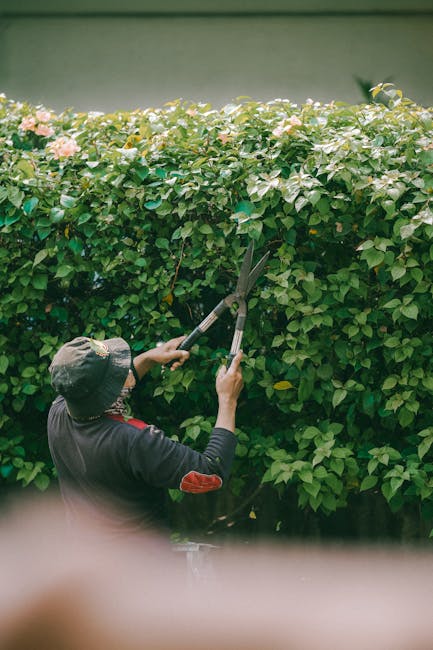
- Trim with purpose. Hedge and shrub shaping should support growth, not just shave everything into a flat line.
- Clear before you cut. Removing debris first makes the real work easier and safer.
Here is one practical example. A courtyard garden with just a strip of lawn, a few shrubs, and a paved area may look simple, but it often gets messy fastest because every corner is visible. In that setting, a reliable lawn mowing routine, light pruning, and quick weed control can keep the whole space looking intentional rather than forgotten.
And one more thing: ask for plain English. If someone starts talking as if every garden is a botanical textbook, politely pull them back. You want a service plan you can actually live with, not a lecture.
Common Mistakes to Avoid
Most garden disappointments are not dramatic failures. They are usually a handful of small mistakes repeated over time.
- Waiting until the garden is overgrown. Catching it early is always easier and usually cheaper.
- Assuming every task is the same. Weed control, hedge trimming, pruning, and clearance all solve different problems.
- Ignoring access. A great team still needs to get to the garden without a scavenger hunt.
- Over-pruning plants. That can set growth back and leave bare patches.
- Skipping waste removal questions. Clippings, branches, and old plant matter need a plan.
- Not setting priorities. If everything is urgent, nothing gets done properly.
One mistake I see often is booking a tidy-up and expecting a full restoration on the same visit. Sometimes that works. Often it does not. If the space is severely neglected, it may need clearance first, then routine care after that. A little patience saves a lot of frustration.
Another common issue is choosing a provider only on speed. Fast is great until the hedge is hacked, the lawn is scalped, or the borders are left half-finished. The best local work feels calm, not rushed.
Tools, Resources and Recommendations
You do not need a shed full of gear to maintain a garden well, but the right tools do make a difference. A capable maintenance team will typically work with equipment suited to the size and condition of the space. For the customer, the more useful question is whether the tools match the job.
| Task | Common tool or approach | Why it helps |
|---|---|---|
| Lawn care | Mower, edging tools, hand rake | Keeps the lawn neat and the borders sharp |
| Hedge and shrub control | Hand pruners, hedge trimmer, loppers | Improves shape without damaging growth |
| Weed control | Hand removal, hoe, mulch | Reduces regrowth and keeps beds tidy |
| Leaf and debris clearing | Rake, blower, collection sacks | Stops the garden looking untidy and slippery |
| Heavy reset | Clearance tools and removal plan | Useful when a space needs a proper fresh start |
Useful service pages to understand the wider picture include services overview, garden maintenance, hedge trimming, and tree lopping and removal if you are dealing with larger growth or safety concerns.
If your garden has a stubborn layer of debris, broken branches, or old clutter, a one-off garden clearance can be the better starting point. Then maintenance can take over and keep things under control. That sequence matters more than people think.
Law, Compliance, Standards, or Best Practice
Garden maintenance is not usually a heavily regulated service in the way some trades are, but there are still sensible standards and responsibilities to keep in mind. In practice, a trustworthy provider should work carefully, communicate clearly, and treat safety as part of the job rather than an afterthought.
For example, if work involves ladders, power tools, heavy waste, or near-ground hazards, safe working methods matter. You should expect the team to handle tools properly, protect surrounding surfaces, and avoid careless damage to fences, paving, or planting. It sounds obvious, but let's be honest, obvious is not always common.
Insurance is another basic check. If someone is working on your property, it is fair to ask whether they are insured and how they manage risk. You can also review a company's stated approach through pages such as insurance and safety and health and safety policy. Those pages do not do the work for you, of course, but they can tell you whether the business thinks seriously about safe practice.
Waste handling is worth a mention too. Garden clippings, soil, woody waste, and general green waste should be managed responsibly. A sensible provider should explain what is removed, what is recycled where possible, and what happens to materials afterwards. If sustainability matters to you, that should not sound like an awkward question.
Options, Methods, or Comparison Table
If you are trying to decide what level of help you need, it often comes down to three broad approaches. Each has its place.
| Option | Best for | Pros | Trade-offs |
|---|---|---|---|
| DIY upkeep | Very small, simple gardens and confident owners | Low direct cost, full control | Time-consuming, easy to fall behind, requires tools |
| One-off tidy-up | Overgrown gardens or seasonal resets | Fast visible change, useful restart | Does not stop future neglect on its own |
| Regular maintenance service | Busy homes, rentals, and gardens that need consistency | Predictable, cleaner long-term results | Ongoing commitment and scheduling |
To be fair, many people mix these methods. They might do light DIY between visits and book professional help for heavier jobs or seasonal resets. That is often the most practical route, especially in a city where a free Saturday can vanish before you have even made tea.
If you are building out a stronger outdoor space rather than just maintaining it, a combination of maintenance and improvement work can make sense. In that case, landscape gardening and landscaping can help reshape the space while routine care keeps it looking finished.
Case Study or Real-World Example
A typical E8 scenario goes like this: a small back garden near Hackney Central station has been left for most of the spring. The lawn is patchy, weeds have crept into the borders, one hedge is getting awkwardly wide, and the patio is starting to look more like storage than seating space. Nothing catastrophic. Just messy enough that nobody wants to sit out there.
The first visit focuses on clearing debris, cutting back the obvious growth, and restoring shape. The hedge is reduced to a manageable line, the lawn is brought back with a proper mow and edge, and the beds are weeded rather than just skimmed. The result is not a dramatic redesign. It is calmer than that. More usable. The kind of change you feel when you open the back door and do not immediately sigh.
What usually surprises people is how much better the garden feels once it has structure again. The space does not need to be perfect. It just needs rhythm. A few planned visits after that keep it from slipping back into chaos, and suddenly the garden becomes part of daily life rather than a background worry.
That is the real value of a good maintenance relationship: not a one-time rescue, but a garden that stays honest and manageable through the seasons.
Practical Checklist
Before you book E8 garden maintenance experts near Hackney Central station, run through this quick checklist. It saves time and helps the work go smoothly.
- Walk the garden and note the main issues
- Decide whether you need a tidy-up, clearance, or regular maintenance
- Check access, parking, gates, and entry instructions
- List any fragile plants, surfaces, or features to protect
- Confirm whether waste removal is included
- Ask how often follow-up visits would be sensible
- Share your priorities clearly: lawn, hedges, borders, patio, or all of the above
- Review safety and insurance information before work starts
- Ask about sustainability and disposal of green waste
- Keep a few photos so you can see progress over time
Expert summary: the best maintenance work is usually the least dramatic-looking at first glance. It is measured, tidy, and repeatable. That is what keeps a garden healthy rather than briefly impressive. If you choose the right rhythm, the space does the rest.
Get a free quote today and see how much you can save.
Conclusion
Finding the right E8 garden maintenance experts near Hackney Central station is really about trust, clarity, and consistency. You want a team that understands small London gardens, knows how to work around access and seasonality, and can keep the space looking cared for without turning the whole thing into a project. That is the sweet spot.
If your garden has become one of those jobs you keep meaning to sort "next weekend," there is no shame in that. Life in Hackney moves quickly. Weather changes. Plans change. Gardens, meanwhile, keep growing. The good news is that with the right support, the turnaround is usually more straightforward than it looks from the window.
Start with what needs attention now, then build a maintenance rhythm that suits your home, not somebody else's idea of a perfect garden. A little consistency goes a long way, and frankly, it is a relief when the outside space stops nagging at you every time you pass the back door.
And if your garden gets you back to a slower, calmer moment on a busy evening, that is worth quite a lot.
Frequently Asked Questions
What do E8 garden maintenance experts near Hackney Central station usually do?
They typically handle mowing, edging, weeding, hedge trimming, pruning, leaf clearance, and general tidy-up work. Some also help with clearance, seasonal resets, and ongoing maintenance plans.
How often should a garden in E8 be maintained?
It depends on the size of the space, planting style, and how quickly it grows back. In many London gardens, spring and summer need more frequent attention than autumn and winter.
Is garden maintenance different from garden clearance?
Yes. Maintenance keeps a garden in good shape on an ongoing basis, while clearance deals with overgrowth, clutter, and neglected areas that need a more dramatic reset.
Can a maintenance visit help a very overgrown garden?
Sometimes, but not always on its own. If the space has been left for a long time, a clearance-first approach is often more practical before regular maintenance starts.
What should I ask before booking a local gardener?
Ask what is included, whether waste removal is covered, how they handle access, whether they are insured, and whether they recommend one-off or repeat visits.
Do I need regular maintenance if my garden is small?
Often, yes. Small gardens can actually show neglect faster because every weed and uneven edge is easy to spot. A short, regular visit can keep them looking sharp.
What if I only need hedge trimming or lawn mowing?
That is common. Many people book targeted work such as lawn mowing or hedge trimming between fuller maintenance sessions.
How do I know if I need landscaping instead of maintenance?
If the layout is poor, the planting no longer suits the space, or you want a bigger change in how the garden functions, then landscaping may be more suitable than simple upkeep.
Are garden maintenance teams expected to carry insurance?
It is sensible to expect proper insurance and safe working practices. A responsible provider should be able to explain how they manage risk and protect your property.
What happens to the green waste after the job?
That depends on the provider, but you should ask. Good practice is to remove and handle waste responsibly, with recycling or reuse where appropriate and practical.
Can maintenance improve the value or appeal of a property?
It can improve first impressions, which matters for buyers, tenants, guests, and neighbours. A tidy exterior makes a property feel better cared for, even before anyone steps inside.
How do I prepare my garden before the experts arrive?
Clear access where possible, move valuable items, point out delicate plants or surfaces, and tell the team what your priorities are. A few minutes of prep can make the visit smoother.
If you want a garden that feels calm, usable, and properly looked after, the right local help makes all the difference. One good visit can reset the tone. A steady routine keeps it there.