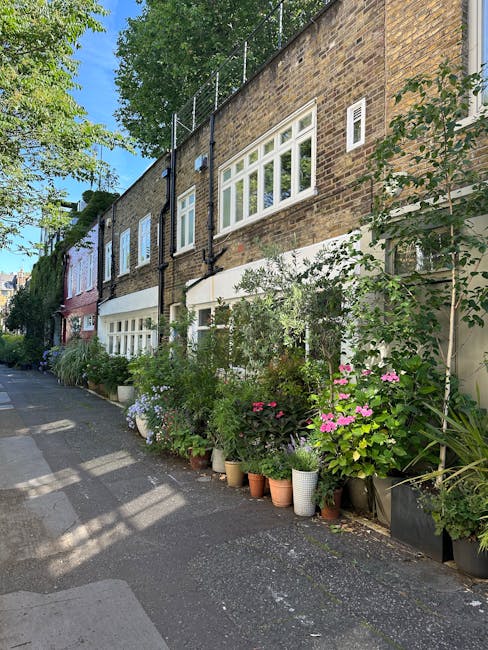
Hackney gardeners for London Fields front garden makeovers: a practical guide to smarter kerb appeal
If your front garden in London Fields feels tired, cramped, or just a bit lost in the shuffle, you are not alone. A lot of front spaces around Hackney have to do serious work in a small footprint: they need to look good from the street, handle daily foot traffic, fit a bin route, and survive London weather without becoming a mess by November. That is exactly where Hackney gardeners for London Fields front garden makeovers can make a real difference.
This guide breaks down what a front garden makeover actually involves, how the process usually works, what to watch out for, and how to get a result that feels tidy, welcoming, and easy to live with. Whether you want a full redesign or simply a sharper, lower-maintenance front, you will find practical advice here. And yes, there is plenty of room for style without making your life harder. Nice, right?
Why Hackney gardeners for London Fields front garden makeovers Matters
Front gardens do a quiet but important job. They shape first impressions, soften hard brick facades, and can turn a narrow terrace or period property from plain to polished in one move. In an area like London Fields, where streets often mix older homes, modern refurbishments, and lots of everyday foot traffic, the front garden is not just decoration. It is part of the house's whole feel.
There is also the practical side. A front garden has to cope with muddy shoes, bikes, bin days, parcels, shade from neighbouring buildings, and the occasional over-enthusiastic hedge that has decided to claim half the pavement. A well-planned makeover helps you solve those everyday issues without losing charm.
That is why local knowledge matters. Hackney gardeners tend to understand the balance between style and function in a tighter urban setting. They are used to small front plots, awkward levels, soil that may need improvement, and the reality that a beautiful space also has to be manageable in wet weather and short on time. Truth be told, a design that looks stunning for two weeks but becomes a weekly battle is not much of a win.
If your front garden currently feels cluttered or underused, a makeover can also be the right moment to pair design with practical services such as garden clearance or ongoing garden maintenance. Those services are often the difference between a makeover that looks good on day one and one that keeps its shape six months later.
How Hackney gardeners for London Fields front garden makeovers Works
A front garden makeover is usually more structured than people expect. It is not just "tidy it up and add a few plants." The best results come from a sequence of decisions: what to keep, what to remove, what the space needs functionally, and how much work you want it to demand later.
In a typical project, the process begins with a walk-through and a conversation about how you use the space. Do you want more privacy? Better drainage? A cleaner entrance? Somewhere to park a bike? Less weeding? These answers shape everything that follows.
Next comes assessment. A gardener or landscaper will look at sunlight, access, soil condition, edging, existing shrubs, paving, and any awkward spots. Small things matter here. For example, a shady front garden under a tree canopy may need a completely different planting palette from a sun-trap terrace front with hard paving and dry borders.
After that, the work often falls into a few key stages:
- clear away unwanted growth, debris, or tired materials
- reshape beds, borders, or paths
- improve soil and drainage where needed
- add planting, gravel, turf, or decorative finishes
- fine-tune edges, access points, and maintenance needs
Some projects are mostly planting-led. Others lean more heavily on hard landscaping, such as edging, paving repair, or even modest structural features. If the front garden needs a bigger reset, it can make sense to coordinate with landscape gardening or broader landscaping support. That is especially true where the space is uneven, overgrown, or has been patched together over years.
One small but useful detail: a good makeover should be designed for the way you actually live, not the way a magazine cover wants you to live. You know the type. Pretty, but impossible when it rains.
Key Benefits and Practical Advantages
The obvious benefit is kerb appeal. A smart front garden makes a house feel cared for before anyone steps through the door. But the real value goes beyond looks.
1. Better first impression, without overdoing it. A front garden should feel inviting. It should not scream for attention. The best designs are balanced and calm, which is harder to achieve than it sounds.
2. Easier upkeep. A thoughtful layout can reduce regular work. That might mean choosing low-maintenance planting, replacing problematic lawn edges, or simplifying the layout so that you are not forever chasing weeds around awkward corners.
3. Improved access. London Fields homes often need front spaces that work well for stepping out, storing bikes, moving bins, or opening gates comfortably. A makeover can improve circulation as well as appearance.
4. Better resilience in urban conditions. Front gardens in Hackney can face compacted soil, splashback from the street, shade, and inconsistent watering. A proper redesign can make the planting much more resilient.
5. Long-term value from sensible choices. You do not always need expensive materials. Often, the best result comes from clearing the clutter, improving structure, and selecting the right plants. Simple done well beats flashy done badly. Every time, really.
There is another benefit people do not always mention: a front garden makeover can change how you feel when you arrive home. That small moment, opening the gate after a long day and seeing a neat, green, well-shaped space, does more than you might expect.
Who This Is For and When It Makes Sense
This kind of work suits a wide range of homes and households. It is not just for people planning a full renovation. Sometimes the need is modest, but still important.
You may want Hackney gardeners for London Fields front garden makeovers if:
- your front garden has become overgrown, patchy, or difficult to manage
- you want a cleaner, more stylish entrance to your home
- you are preparing to sell or rent and want stronger presentation
- your current layout creates muddy paths, poor drainage, or awkward access
- you want lower maintenance, not more chores
- you have a small urban space that needs clever use rather than lots of planting
It also makes sense if you have inherited a garden that has been neglected for years. That is common in London, especially in properties that have changed hands or been rented out. A garden clearance phase may be needed before any redesign can begin, and that is not a setback. It is simply part of getting the canvas ready.
Families often come to front garden makeovers because they need easier access and less mess. Homeowners who work long hours usually want low-fuss structure. Landlords may care most about presentation and durability. To be fair, all three want the same basic outcome: a front garden that looks good and does not become a burden.
If you are unsure whether your space needs a light refresh or a full reset, that is normal. A proper site visit usually clears that up quickly.
Step-by-Step Guidance
Below is a practical way to think about the process. Every project is different, but the sequence is usually familiar.
- Define the goal. Decide whether you want more style, more structure, easier maintenance, better access, or all four. If you skip this part, the project can drift.
- Assess what is already there. Look at what is healthy, what is overgrown, what causes frustration, and what could be reused. Reuse is often overlooked, which is a shame.
- Clear and prepare. Remove dead plants, broken edging, old containers, and debris. This stage may include garden clearance so the space is genuinely workable.
- Sort the layout. Decide where paths, borders, planting pockets, or decorative surfaces should go. Even small front gardens benefit from a clear structure.
- Improve the ground. Add compost, sharpen edges, correct drainage issues, and level any awkward areas where appropriate. It is not glamorous, but it matters.
- Install key features. This might include new planting beds, a simple paved entry, screening, edging, or a small timber feature such as part of a seating or boundary scheme. If timber work is involved, some people also explore decking services for a cleaner, modern finish.
- Plant for the site. Choose plants that suit shade, sun, wind, and maintenance levels. A front garden in London Fields may need robust, compact planting rather than anything too sprawling.
- Finish with maintenance planning. A makeover is only successful if it stays looking good. Agree a schedule for mowing, pruning, edging, and seasonal tidy-ups.
If you want the result to last, ask for a maintenance-minded design from the start. That one decision saves a lot of trouble later.
Expert Tips for Better Results
Here is where experience really helps. Small front gardens can be transformed by a few smart choices, and a few not-so-smart ones can sink the whole thing.
Start with structure, not shopping. It is easy to get excited about plants. Most people do. But structure comes first. Paths, edges, beds, drainage, and sight lines should be sorted before you start choosing flowers.
Use repetition carefully. Repeating one or two plant types across the front garden can make a small space feel cohesive. Too many different textures can look busy very quickly.
Keep the palette restrained. In a London street setting, quieter colours often work better than a mix of bright options fighting for attention. Greens, silvers, whites, and one or two accent tones can look refined and calm.
Think about the view from inside. A front garden is not only for passers-by. It is also part of the view from your hallway or front room. That matters more than people realise.
Plan for the wet season. In winter, the garden can feel twice as small if drainage is poor or if paths become slippery. Good materials and sensible levels matter a lot in Hackney's climate.
Leave room for the ordinary stuff. Bins, deliveries, bikes, gate access, and cleaning all need space. A beautiful design that ignores daily life is, frankly, a bit of a show-off.
A small human note here: some of the best front garden makeovers are not dramatic at all. They simply make a property feel settled. Tidy edges, healthy planting, and a clear route to the door. That can be enough.
Common Mistakes to Avoid
Front gardens go wrong for fairly predictable reasons. The good news is that most of them are avoidable.
- Overplanting. A small space cannot carry too many species without looking crowded.
- Choosing plants without checking conditions. Sun-loving plants in shade, or thirsty plants in a dry front bed, will struggle.
- Ignoring maintenance. A low-maintenance garden is not a no-maintenance garden. There is a difference.
- Leaving broken surfaces in place. Old paving, poor edging, and cracked borders can make even fresh planting look unfinished.
- Forgetting drainage. Waterlogged front gardens are a headache, especially near entrances and paths.
- Mixing styles without a plan. A bit of cottage style, a bit of contemporary grit, a bit of formal symmetry... and suddenly nothing matches.
Another common mistake is starting with hard materials before thinking about how the whole front garden should feel. The best projects usually blend practical features with the planting rather than treating them as separate jobs.
If a hedge is part of the picture, keeping it in shape matters too. Overgrown hedges can throw off scale, block light, and make a front garden feel heavier than it should. Regular hedge trimming is often the quiet fix that keeps everything looking intentional.
Tools, Resources and Recommendations
You do not need a massive kit to manage a front garden makeover, but a few practical tools and service types make life easier.
For most homeowners, useful basics include:
- sharp secateurs and loppers for light pruning
- a sturdy spade and fork for border work
- heavy-duty gloves and kneeling protection
- a rake for clearing debris and levelling mulch
- containers or bags for removing cuttings cleanly
For larger or more demanding projects, professional help can be worth it. You may need support with:
- lawn mowing if the front has turf that needs regular shaping
- tree lopping and removal if a tree is dominating the space or causing persistent shade issues
- periodic visits from a garden team that can keep the makeover tidy over time
For people who want a quick overview of available help, the services overview is a useful place to understand what can be combined into one project. If you are comparing options, the pricing and quotes page can help you think about budget conversation points before you request a visit.
A practical recommendation: ask what happens after the makeover. Ongoing care is not a side issue. It is part of the design. If a company can explain the upkeep plainly, that is usually a good sign.
Law, Compliance, Standards, or Best Practice
Front garden work in London is usually straightforward, but there are still sensible standards to follow. If trees are involved, you should treat pruning and removal carefully and avoid any work that could be unsafe or damage protected trees. In built-up streets, branches, roots, nearby walls, and overhead hazards all need attention.
If the garden borders a pavement or shared access route, avoid obstructing public space with materials, waste, or tools. It sounds obvious, but on a busy Hackney street, it is easy for a job to spill out a bit too far. Good contractors keep access tidy and safe from start to finish.
Insurance and safety matter as well. Any gardener working on your property should be able to explain how they handle site safety, equipment use, waste removal, and risk management. That is why pages like insurance and safety and health and safety policy exist: they help set expectations in plain terms.
Sustainability is another sensible benchmark. Reusing healthy plants, recycling green waste where possible, and choosing durable materials can make the project more responsible and often more cost-effective too. For readers who care about that side of things, recycling and sustainability is worth a look.
And if you are checking how personal data, payments, or service terms are handled, those details should be easy to find and reasonably clear. Small thing, but it builds trust. That is what good practice looks like.
Options, Methods, or Comparison Table
There is no single best way to improve a front garden. The right method depends on condition, budget, and how much upkeep you want to take on.
| Approach | Best for | Pros | Trade-offs |
|---|---|---|---|
| Light refresh | Gardens that are mostly healthy but messy or uneven | Quick turnaround, lower cost, minimal disruption | Won't solve deeper layout or drainage issues |
| Planting-led makeover | Spaces that need more character and softness | Strong visual impact, flexible style, improves kerb appeal | Needs correct plant choice and seasonal care |
| Clearance plus redesign | Overgrown or neglected front gardens | Big transformation, cleaner structure, better long-term use | Usually more involved at the start |
| Hard landscaping focus | Front gardens needing access upgrades or cleaner edges | Durable, neat, practical in all seasons | Can feel less soft unless planting is balanced in well |
In practice, many London Fields front gardens need a blended approach. A bit of clearance, some structural improvement, fresh planting, and a few durable finishes. That combination tends to age better than a single dramatic gesture.
Case Study or Real-World Example
Picture a typical London Fields terrace front: narrow plot, a tired patch of lawn, a hedge that has grown too wide for comfort, and borders full of mixed plants that once had a plan and then lost it somewhere around late summer.
The first pass is simple enough. Clear the dead material, cut back the hedge, remove the clutter, and check what can be saved. In a case like this, the garden often looks worse before it looks better. That is normal. A bit unnerving, but normal.
Next comes reshaping. The front edge is sharpened, the entrance path is made clearer, and the space is divided into more intentional sections. Instead of forcing one large lawn to do everything, the design might swap part of it for planted beds or gravel to reduce maintenance and improve drainage. A few compact shrubs, evergreen structure, and seasonal colour can then bring the space to life without overfilling it.
By the end, the front garden feels calmer. The house looks more anchored to the street. The path is easier to use. And the owner, which matters most, is no longer facing a weekly little battlefield with weeds and wobbly edges.
What changed? Not magic. Just clear decisions, proper sequencing, and a design that matched the reality of the site.
Practical Checklist
Use this quick checklist before you start a front garden makeover.
- Decide the main goal: style, access, lower maintenance, or all three
- Check how much sun, shade, and wind the space gets
- Identify what should be removed, cut back, or reused
- Look for drainage issues, uneven ground, or broken surfaces
- Choose plants that suit the site rather than forcing a trend
- Keep the layout simple enough to maintain
- Allow room for bins, bikes, and day-to-day access
- Plan for regular upkeep after the makeover
- Review safety, waste removal, and insurance considerations
- Request a clear quote and ask what is included
If you are ready to discuss the work with a local team, the contact page is the natural next step. You can also learn more about the team on the about us page if you want a better sense of how they work.
Conclusion
A front garden makeover in London Fields is not just about making a house look prettier from the pavement, though that is certainly part of it. It is about creating a space that feels welcoming, manageable, and suited to real city living. Done well, it supports your daily routine instead of adding another job to it.
The best Hackney gardeners for London Fields front garden makeovers will listen carefully, assess the space properly, and build something that fits the property, the street, and your level of maintenance tolerance. That is the sweet spot. Not over-designed. Not undercooked. Just right for the place.
If you keep the goal clear, plan the structure first, and choose practical planting and finishes, the result can stay attractive for years rather than weeks. And that, to be fair, is what most people actually want.
Get a free quote today and see how much you can save.
Sometimes the smallest front garden change makes the biggest difference when you come home at dusk and see it all looking calm, neat, and quietly proud.
Frequently Asked Questions
What do Hackney gardeners for London Fields front garden makeovers usually include?
They often include clearance, border reshaping, planting, edging, access improvements, and sometimes light landscaping. The exact mix depends on the condition of the garden and the result you want.
How long does a front garden makeover take?
It depends on size and complexity. A simple refresh may be completed fairly quickly, while a full redesign with clearance, soil improvement, and new features will take longer. Weather can affect timing too, naturally.
Can a small front garden in London Fields still look impressive?
Absolutely. Small spaces often look their best when the layout is simple and the planting is restrained. In fact, tiny front gardens can be some of the most satisfying projects because every detail counts.
What if my front garden is overgrown and messy?
That is very common. A garden clearance first makes the space workable, then the makeover can begin. Overgrown does not mean beyond saving. Usually it just means it needs a proper reset.
Do I need new planting, or can I keep what I already have?
Often you can keep some healthy shrubs or established plants. A good gardener will assess what is worth saving. Reusing good material can keep costs down and help the garden settle in faster.
Is a low-maintenance front garden possible without making it boring?
Yes. The trick is to use structure, repetition, and hardy planting rather than clutter. A low-maintenance garden can still have warmth and personality. It does not need to look like a car park with a fern in the corner.
How do I choose between landscaping and garden maintenance?
If the space needs redesign, layout changes, or structural work, landscaping or landscape gardening makes more sense. If it already functions well but needs regular care, maintenance is usually the better fit.
Should I worry about drainage in a front garden makeover?
Yes, at least enough to check it properly. Poor drainage can create muddy entrances, damaged planting, and slippery paths. It is one of those unglamorous issues that matters a lot.
Can hedges, trees, or tall shrubs affect the makeover?
Very much so. Dense hedges and large trees can change light levels, space, and maintenance needs. Sometimes hedge trimming is enough; sometimes more significant tree work may be needed.
How do I know if a quote is fair?
Look for clarity. A fair quote should explain what is included, what materials are being used, how waste is handled, and whether follow-up maintenance is part of the plan. If anything feels vague, ask more questions.
Will a front garden makeover improve kerb appeal for selling a home?
Usually yes, because the front garden shapes first impressions immediately. Even modest improvements can make a property feel more cared for and easier to picture living in.
What should I ask before booking work?
Ask about the proposed design, maintenance needs, safety, insurance, waste removal, and whether the team offers ongoing care afterwards. A good provider should answer clearly and without fuss.
Where can I find more information about the company and its policies?
You can read more on the services overview, recycling and sustainability, and privacy policy pages for useful background and expectations.